
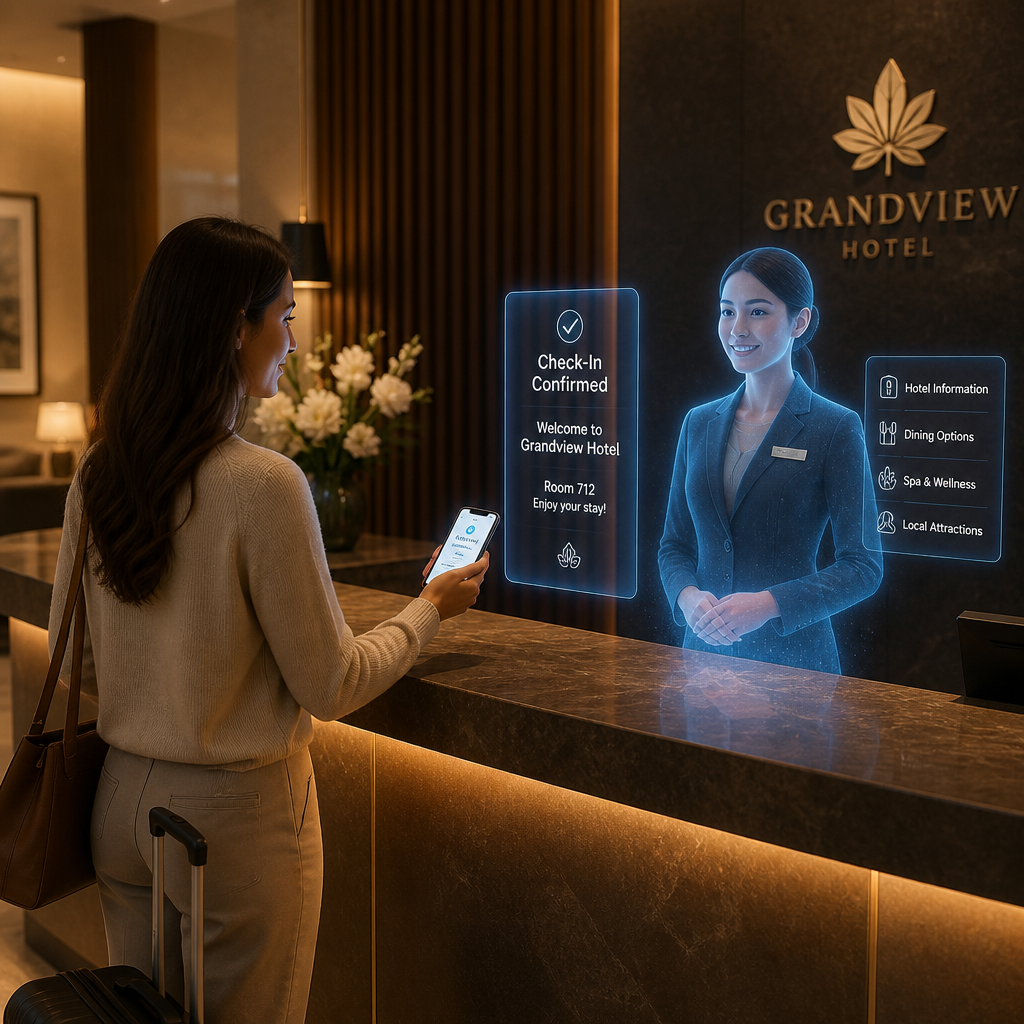
Walk into any hospitality conference in Kuala Lumpur this year and you will hear the same word in every other sentence: AI. Chatbots, dynamic pricing, robot concierges. The conversation is loud, but for most Malaysian hotel owners — especially the independent operators and small groups that make up the backbone of our industry — it can feel disconnected from the daily reality of running a property. The real question isn’t whether AI is impressive. It’s whether it can take work off your plate, plug the leaks in your margin, and get you home earlier.
Having run hotels and short-term-rental projects across Kelantan, Kota Warisan and Shah Alam, I can tell you it can — but not in the ways the glossy keynotes suggest.
Where Malaysian hospitality actually hurts
Malaysia’s tourism recovery has been strong, with Visit Malaysia 2026 pushing arrivals and domestic travel staying healthy. Occupancy is not the problem for most operators. The problem is everything that happens after the guest books.
Revenue sits scattered across the PMS, OTA extranets and bank accounts, so owners discover how the month went only after it’s over. Supplier invoices arrive by email, by hand and by WhatsApp, and due dates quietly slip into late fees. Staff expense claims live in chat threads and shoeboxes. Payroll means re-keying EPF, SOCSO, EIS and PCB figures by hand every month. And when audit season comes, year-end becomes a document hunt.
None of this shows up in a tourism statistic, but every gap is money leaving the building. It is not a paperwork problem — it is a profit problem.
What AI is genuinely good at in a hotel
Strip away the hype and AI earns its keep in hospitality in a few practical ways.
The first is guest communication. Malaysian guests live on WhatsApp, and an AI assistant that answers enquiries in English and Bahasa Malaysia at 2am, confirms bookings instantly and greets new guests automatically delivers a level of responsiveness that a small front-office team simply cannot match around the clock.
The second is reading and filing documents. Modern AI can look at a photo of a supplier bill or a crumpled receipt, extract the amount, supplier and category, and file it correctly. That single capability eliminates a huge share of the typing, chasing and losing that defines hotel admin.
The third is pattern-spotting. Utilities creeping up at one property, an OTA payout that doesn’t match what was booked, a maintenance category quietly ballooning — AI is tireless at flagging the anomalies a busy operator would only notice at year-end, when it’s too late to act.
Why I built Lumin
I didn’t set out to build software; I set out to fix my own back office. The result is Lumin — what we believe is Malaysia’s first platform to tie a hotel group’s finances, administration and HR into a single, audit-ready system, built by a hotelier rather than a generic ERP vendor.
Lumin streams revenue live from the PMS per property, tracks utilities and maintenance against the unit they belong to, and reconciles bank and OTA payout statements automatically so estimates become actuals the moment a statement lands. Payables sit in one ledger that flags overdue bills before they cost you a late fee. Payroll exports bank-ready salary files plus EPF, SOCSO, EIS and PCB submissions without re-keying.
The AI sits at the centre of it. Kira, Lumin’s AI teammate, works where Malaysian teams already are — WhatsApp. Staff file claims and apply for leave by message. Sales describes a job in chat and Kira creates the client profile, generates an SST-compliant invoice and sends the finished PDF back in under a minute, logged in the books. Forward her a bill and she reads it and files it. On the guest side, she answers website enquiries and auto-greets new bookings around the clock.
Underneath, every transaction posts to a structured, compliance-grade ledger in real time, and a live audit system nags admins about missing receipts or unmatched payouts long before year-end. When the auditor arrives, they log in with their own access and download the pack. No email chains, no boxes of documents.
This isn’t a concept. My own group runs on Lumin every single day — five properties and projects on one dashboard, every invoice and claim filed in-system, and zero shoeboxes at audit time.
A realistic playbook for Malaysian operators
If you run a property or a small group, my advice is to ignore the moonshots and start where the pain is.
Start with the back office, not the lobby. A robot at reception is a gimmick; automated reconciliation is a margin. Insist on local compliance — SST, EPF, SOCSO, EIS, PCB and audit-ready records are non-negotiable in Malaysia, and tools built elsewhere rarely handle them natively. Meet your team where they are, which in Malaysia means WhatsApp, not another app to learn. And keep humans in charge: AI should draft, flag and file, while owners and managers approve and decide.
AI in hospitality is no longer about the future. In Malaysia, it is quietly becoming the difference between operators who see their numbers live and act on them, and operators who find out what happened to their money three months too late. The technology is ready. The only question is whether your back office is.
Lumin by Salaam Suites Sdn Bhd is open to pilot clients, partners and investors. Reach us at hello@salaamsuites.com or +60 18-283 4101.
